
 keith.stewart15@gmail.com
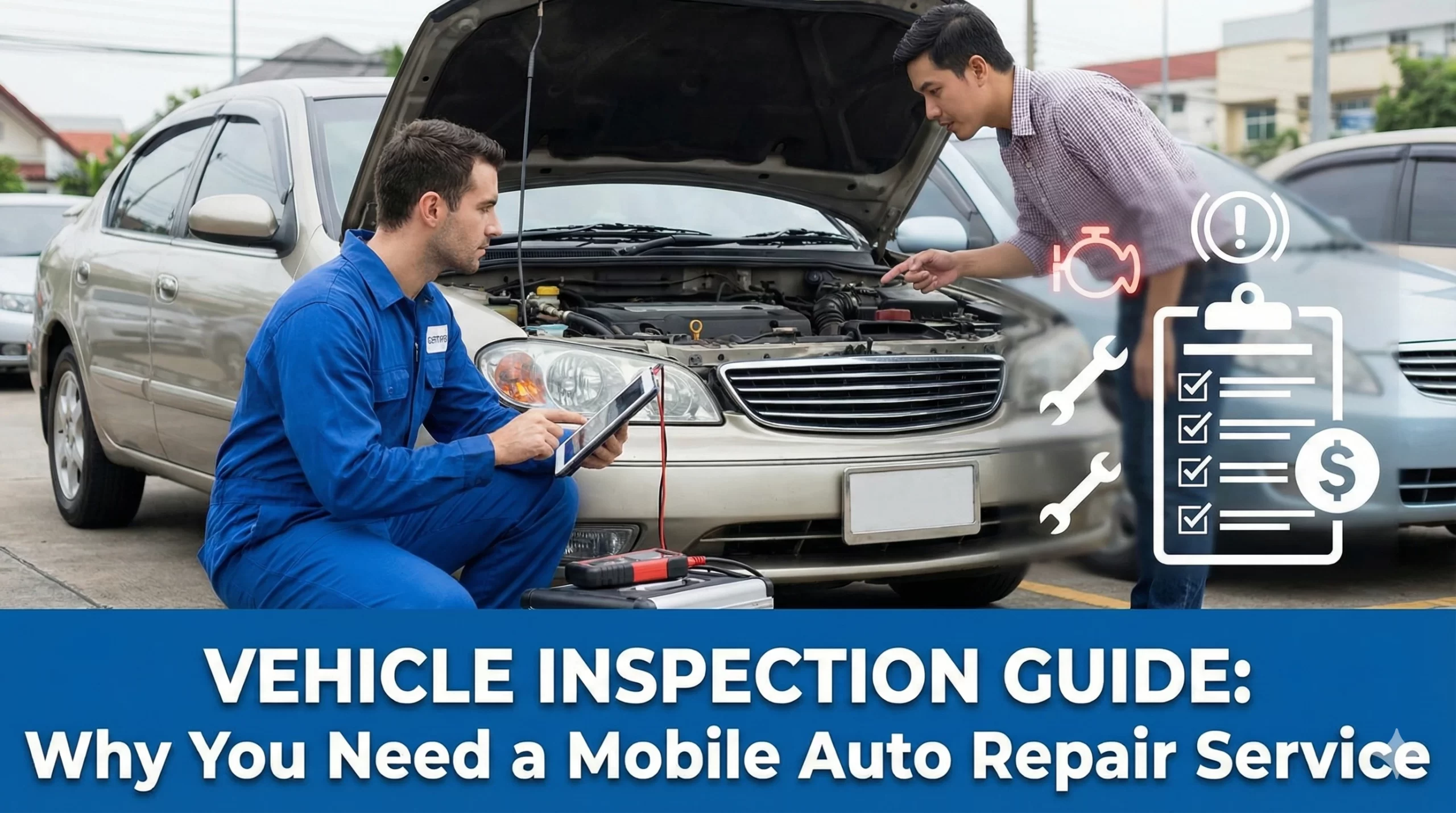
Buying a car is a major investment, so you absolutely need to inspect it before handing over any cash. Taking a close look now is a smart move that protects your wallet and your sanity later on. Catching problems early is the only way to avoid the nasty surprise of needing a mobile auto repair service days after bringing your new car home. You aren’t just paying for a vehicle; you are paying for the peace of mind that you won’t be stuck with a money pit.
When you trust your car, you don’t stress every time you turn the key. You can actually enjoy the drive without worrying about the next repair bill. If you are currently shopping around, check our blog for specific tips on what to look for. To help you out right now, here are the common red flags that usually indicate a car is a “lemon.”
The Price is Suspiciously Low
Sellers usually know exactly what their car is worth. Unless it’s a rare classic or a special promo, the price should match the market. If you see a listing that is way below market value, be skeptical. A “too good to be true” price tag often means the seller is trying to get rid of a car with hidden damage or a shady past.
It Has Been Re-Registered Often
Be careful with vehicles that have been re-registered multiple times. A history of constant title changes is often a sign of a lemon. It could mean the car had so many issues that previous owners kept passing it along, or it sustained damage that required multiple title updates.
The Repair History is Too Long
Always ask for the service records. A thick file of repair history is a major warning sign. It suggests the car is prone to breaking down, especially if you see the same repair tried multiple times without success. If a seller refuses to show you the history, walk away. They are likely hiding something from you.
Signs of Poor Maintenance
If the previous owner didn’t care for the car, you will end up paying for their neglect. Look closely for simple things like missing knobs, rust spots, or a beat-up exterior. If the outside is covered in dents and bad paint, the engine was probably neglected too. The same goes for the inside. Rips in the seats or a cracked dashboard are bad signs. If it looks trashed, it’s probably a bad buy.
Watch the Mileage
High mileage usually means the car has been driven hard, making it more likely to break. However, mileage isn’t everything. A well-maintained newer car with high miles can still run great. As a general rule of thumb, try to find a vehicle less than five years old with fewer than 50,000 miles to be safe.
Listen for Weird Noises
Trust your ears. Rattling, grinding, or squealing sounds usually point to mechanical failure. Also, pay attention to how it feels. If the car shakes, vibrates, or pulls to the left or right, you might have transmission or suspension issues. Always call a mobile auto repair service to verify this before you buy. They can give you a real estimate of what those noises will cost to fix.
The Check Engine Light
If the check engine light is on during your test drive, that is an immediate red flag. It means a problem already exists. Do not buy the vehicle until a qualified mechanic inspects it and tells you exactly why that light is on.
Bad Smells
Trust your nose, too. Smells like burning oil or exhaust fumes inside the cabin indicate a leak or engine trouble. A technician can tell you if the damage is minor or if the engine is on its last legs.
Fluid Leaks
Puddles under the car are never good. Leaking fluid from the engine or transmission is often a symptom of a serious, expensive issue. A mechanic can trace the leak and tell you if it’s a simple seal or a major repair.
Aftermarket Parts
If you see non-original parts, like aftermarket headlights or suspension kits, the car has been modified. This suggests the vehicle may have been driven aggressively or required extensive repairs that involved swapping out original components.
It Has Been Sitting for Years
A car that hasn’t moved in a long time is not “like new.” It is likely suffering from “lot rot.” Tires develop flat spots, batteries die, and brake systems degrade when they sit idle. You should also look for deep rust, which happens when a car sits exposed to humidity for too long.
Accidents and Flood Damage
Always check the bodywork for signs of past accidents. Major crashes can leave hidden structural damage that makes the car unsafe. Flood damage is even worse; water gets into the electronics and mechanical systems, causing problems that might not pop up until months later.
Odometer Fraud
Does the mileage look impossibly low for the car’s age? Someone might have rolled back the odometer. This fraud tricks you into paying more for a car that has actually been driven into the ground. If the numbers don’t add up, it’s likely a scam.
It Drives Poorly
The test drive is your best lie detector. If the acceleration feels sluggish, the gears shift roughly, or the steering feels loose, you have found a lemon. Don’t talk yourself into it. Have a professional look at it to confirm your suspicions before you sign anything.
Conclusion
Spotting a bad car before you buy it is the most important part of the process. The best way to be sure is to schedule a pre-purchase inspection with a mobile auto repair service. These pros can catch everything from odometer fraud to hidden accident damage. They will also spot the smaller things you might miss, like worn brake pads or strange odors. Never skip this step. A proper inspection is the best way to protect your money and ensure your new car is actually a joy to drive.